Recently, the California Institute for Regenerative Medicine (CIRM) announced a new approach for how its funding can advance treatments for people living with rare diseases. Individually, few people have any single rare disease, but in aggregate, about 30 million people in the U.S. have one of the roughly 10,000 rare diseases, and 95% have no available therapies.
One sad reality is that many rare diseases affect children. Families often learn early that their child has a severe disease and heartbreakingly lose those children far too young.
About half of all CIRM awards that support clinical trials are for rare diseases, including LAD-1, forms of muscular dystrophy, Danon syndrome, Machado-Joseph disease, Pitt Hopkins syndrome, and many others. If you look at the small number of clinical trials for rare diseases (funded by CIRM or anyone else) and compare that to the large number of rare diseases, it would be easy for patients and their families to lose hope. That’s why CIRM’s new program is so important.
Building on recent advances
CIRM’s approach builds on advances in the field of genetic therapies. Recently, a baby who goes by ‘KJ’ was born with a rare genetic disorder and no hope for a cure. A team of scientists led by the Children’s Hospital of Philadelphia raced to develop, test, and then deliver a genetic therapy. Baby KJ is now not only alive but also taking his first steps and toddling very cutely around his home.
The Food and Drug Administration took note of this development and announced that they would consider a new strategy for approving rare disease therapies for patients. It’s called the “plausible mechanism pathway,” and you can read about it here. Rather than having each genetic therapy go through a full round of testing – which can take many years – the FDA will allow a batch of therapies based on the same technology to be approved as a group. One set of testing, many diseases with available therapies. Win!
If it works for cars…
This new FDA approval pathway is a bit like how car manufacturers create multiple car models. On the face of it, a sedan and an SUV are completely different vehicles, they look different and they have different functions. Under the hood though, they’re often built on the same foundation and share many of the same parts. This way, manufacturers can invest in a single platform and use it to quickly and efficiently design, prototype, test, and manufacture multiple car models.
By applying that platform approach to genetic therapies, the goal is to quickly deliver more therapies to more patients for more rare diseases.
Looking ahead
CIRM is taking advantage of this new pathway and will allocate $100 million over two years to support multiple platform technologies for rare diseases. These multiple platforms each represent one approach that could ultimately result in treatments for many diseases. That’s good news for those families and patients who might otherwise have no options.
CIRM’s recent announcement is just the first step. The agency will start accepting applications in the summer of 2026 and should approve funding for the first batch of awards in early 2027.
For additional information about CIRM’s new approach to supporting the development of rare disease therapies, see the details in the funding plan or watch the recent presentation to the board for more details.
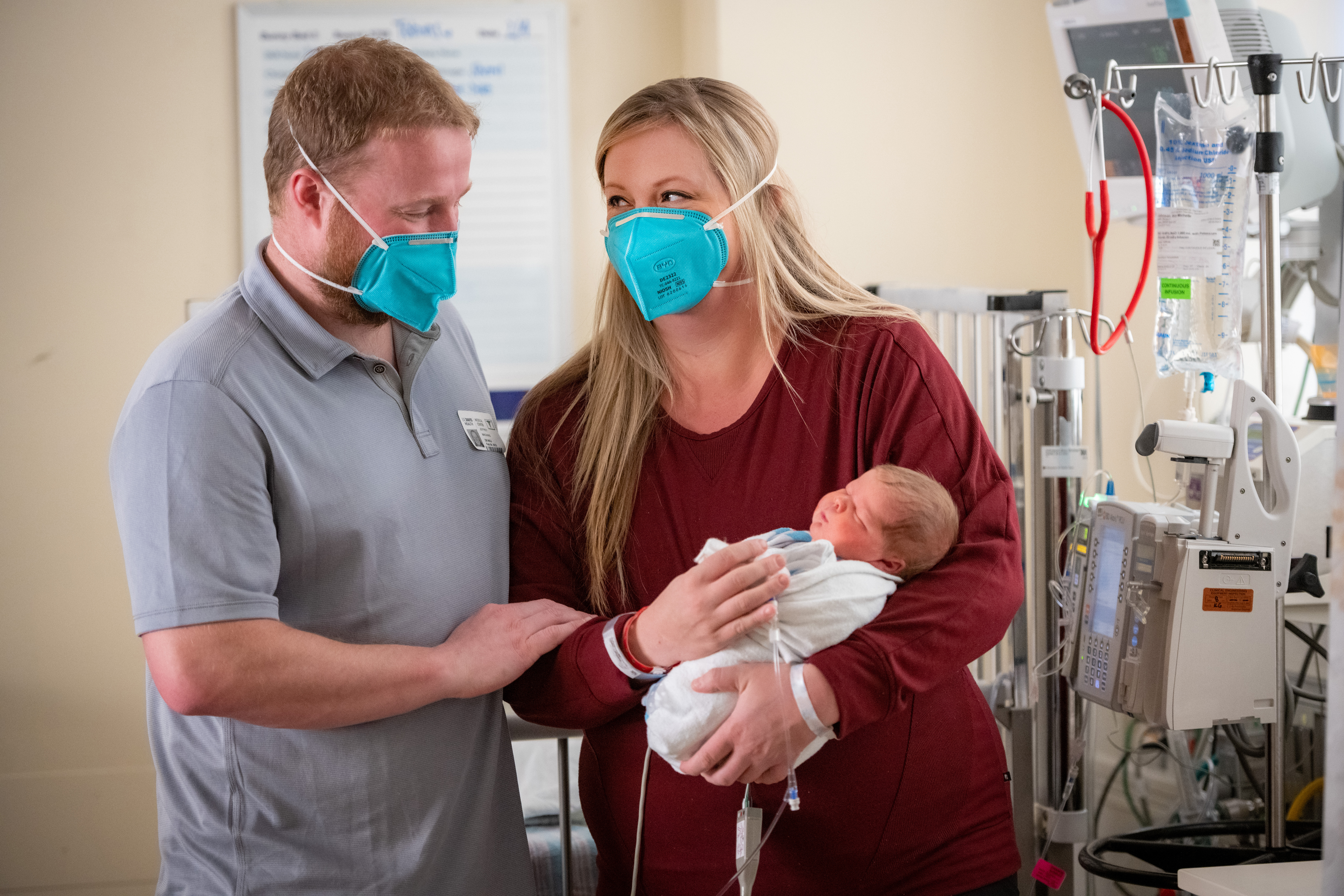
Here are some of the people who have already participated in clinical trials for rare diseases:





 The Stem Cellar
Thanks for all you accomplish.