Written by Holly Alyssa MacCormick
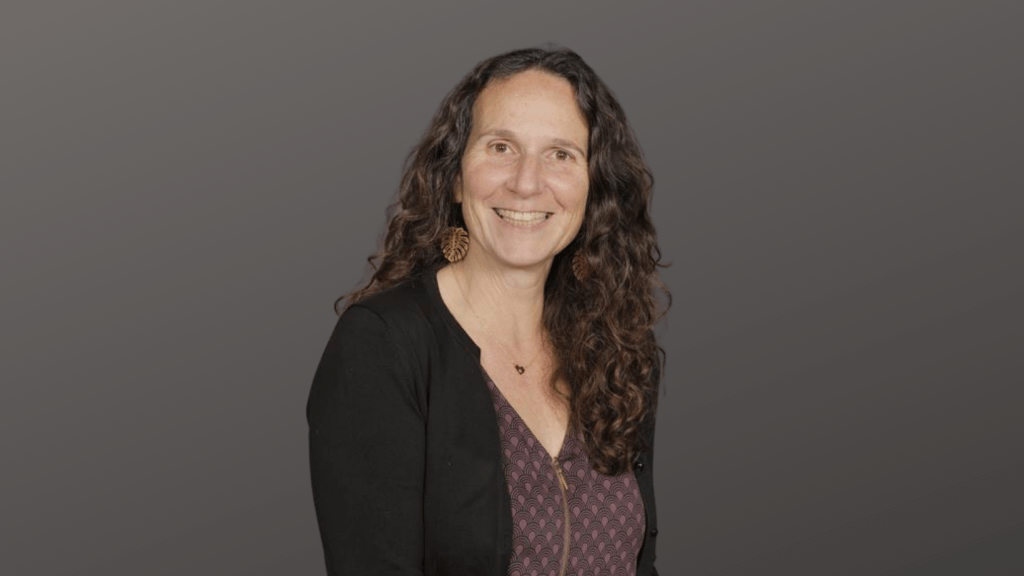
Yael Wyte knows all too well how difficult it can be to have or care for someone with Alzheimer’s Disease—she has been working with and advocating for people with Alzheimer’s Disease for more than 20 years. Earlier this year, Wyte joined the board of the California Institute for Regenerative Medicine (CIRM) as an Alzheimer’s patient advocate.
“I get mad at the disease every single day,” said Wyte. “I don’t understand why it needs to go on for so long and why someone would go out that way. So, I do whatever I can do to push research forward.”
Wyte has a long track record of caring and advocating for others.
A trained speech therapist and social worker, Wyte earned a Bachelor of Science degree in speech-language pathology from the University of Arizona and a Master of Social Work from the University of Southern California.
Her work with Alzheimer’s began in 2006 when she became program and outreach director for the Leeza Gibbons Memory Foundation, a nonprofit founded by talk show host Leeza Gibbons in honor of her mother, who had Alzheimer’s Disease. Gibbons herself was a patient advocate member of CIRM’s board from 2007-2013. Wyte is currently a program and education manager for the California Southland chapter of the Alzheimer’s Association.
CIRM’s board—also known as the Independent Citizens’ Oversight Committee (ICOC)—is a diverse group composed of up to 35 California-based patient advocates, nurses, research leaders, and biotechnology industry leaders. The ICOC makes all decisions regarding CIRM operations and funding, including deciding which research to support. As part of being a state agency, all meetings of the board and its subcommittees are open to the public, and people are welcome to provide comment on the agenda items.
For Wyte, the board’s broader focus on not just people with a specific disease, but anyone who may be impacted by disease, fits with her holistic approach as a patient advocate. Wyte’s expertise includes providing aid to patients while being mindful of the bigger picture and offering comprehensive care to their families and caregivers. In her professional roles, this often included setting up detailed care plans while providing people with resources, education, and support.
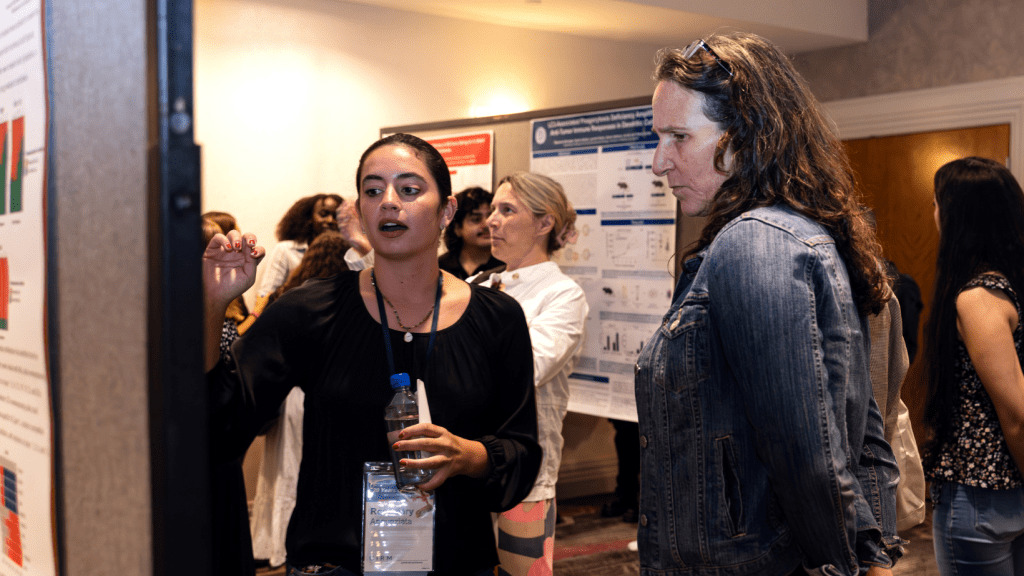
“Being able to fund disease research, whether it’s Alzheimer’s or any disease, and gene therapy research has always been interesting to me,” Wyte said. “Being able to put those two worlds together and have an impact is incredible. I feel beyond honored to have this opportunity.” CIRM funds regenerative medicine research and clinical trials, which includes both stem cells and gene therapy.
Shortly before Wyte joined, the board approved several new funding programs that are aligned with a new funding framework (the Strategic Allocation Framework) that lays out how the organization will spend its remaining money to have the most near-term impact for patients.
In her work on the board, Wyte looks forward to discussing future funding programs and other mechanisms for benefitting patients and contributing to the working groups open to CIRM board members. In particular, she would like to be an active member of the Affordability and Access Working Group. This committee is tasked with ensuring that the therapies developed with CIRM funding are accessible to all people living in California.
“Reaching community, being involved in communications related to CIRM, and making therapies affordable and accessible, I’m extremely passionate about that,” Wyte said.
In the last six months as a CIRM board member, Wyte says she has gained a lot of knowledge and experience related to the research CIRM supports, how it can help the people of California, and how her role on the board can help connect people to cures.
“I want to shout it from the rooftops,” Wyte said. “I want to tell more people about it, because I don’t think enough people are aware of what we do.”
CIRM board members who are patient advocates, like Wyte, represent the people in California who are looking to CIRM for new therapies. They know what it is like to live with, or support the people who live with, health conditions. This perspective helps inform all board discussions, including decisions on the research, workforce development, and infrastructure programs CIRM should support, and voting on new awards. “You always hold the tiniest bit of hope for a cure that can help your loved one,” Wyte said. “As a mom—as a human—what wouldn’t you do to help your loved one with a disease? Just having an opportunity for your disease to get more eyeballs on it and have the possibility of being funded for some amount of research is so important.”
 The Stem Cellar