Written by Holly Alyssa MacCormick
Roughly 3 million adults living in the United States have epilepsy, and about 400,000 of these people live in California, according to the CDC. Of these people, about one-third to half continue to have seizures that do not respond to medications on the market.
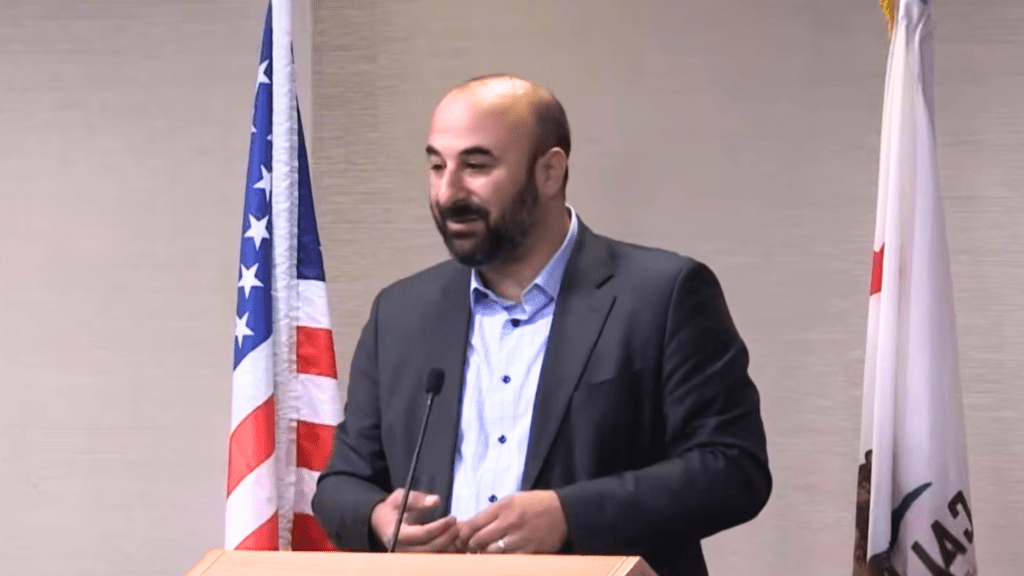
It’s those patients who don’t respond to medications that Neurona Therapeutics is hoping to help with a stem-cell derived approach currently in clinical trials. Cory R. Nicholas, PhD, the CEO and co-founder of Neurona Therapeutics, recently gave an update on the trials, funded by the California Institute for Regenerative Medicine (CIRM), in a presentation to the governing board as part of the Closer to Cures speaker series.
For people whose seizures that do not improve with drugs, the main treatment options are lobectomies (removing or ablating part of the brain) or implanting a stimulator into the brain. These treatments can alleviate seizures, but they don’t always work; they are invasive, and they can cause severe side effects, including memory loss, cognitive impairment, and personality changes.
“Seizures come in different forms … and they can strike at any time,” said Nicholas. “Sometimes people have them [seizures] daily, other times maybe just once or twice a month. But even though it just may be 1 percent of the time that someone is seizing in life, the remaining 99 percent of the time they’re worried about when the [next] seizure will strike.”
The disease has a profound impact on people living with epilepsy and their families. Unpredictable seizures can force people with epilepsy to give up driving, jobs, and hobbies. The disease also affects their family members, who often become their caregivers.
“I think epilepsy is misunderstood as a disease that’s a nuisance that’s well-managed by medications, rather than the severe, quality-of-life hostage situation that it is for most people with this disease,” said Nicholas.
Rewiring the brain
CIRM funded research at the University of California, San Francisco starting in the early 2000s and later at Neurona Therapeutics led to a series of discoveries related to maturing human embryonic stem cells into brain cells that calm surrounding neurons.
The thought was that implanting these calming cells near a seizure-inducing, overly excited part of the brain could reduce seizures. Neurona calls these cells NRTX-1001, and they are currently testing the cells in people with epilepsy whose seizures don’t respond to drugs. One trial includes people with seizures coming from just one side of the brain, and the other includes people with seizures on both sides of the brain. Preliminary results from these clinical trials show that NRTX-1001 has minimal side effects, and patients have fewer seizures.
Some of the patients treated are now seizure-free.
Although the trials are not yet complete and results are preliminary, both the FDA and the European Medicines Agency (EMA) have recognized the potential of this therapy and have granted it a special designation that paves the way for future clinical trials, including a double-blind phase 3 trial slated to start in late 2026.
For some patients participating in these clinical trials, NRTX-1001 regenerative cell therapy has been the difference between having seizures nearly every day, to being seizure-free and being able to return to work.
“Just maybe we can get a cure for epilepsy,” said one of the patients in a video Nicholas showed during his presentation.
Closer to Cures is a speaker series that features presentations from two CIRM-funded grantees at each of the California Institute for Regenerative Medicine’s governing board meetings, known as the Independent Citizens Oversight Committee (ICOC). The ICOC meetings and this speaker series are open to the public and are livestreamed via the CIRM official YouTube channel.
 The Stem Cellar