This summer we’re sponsoring high school interns in stem cell labs throughout California. We asked those students to contribute to our Instagram photos and YouTube videos about life in the lab, and write about their experiences.
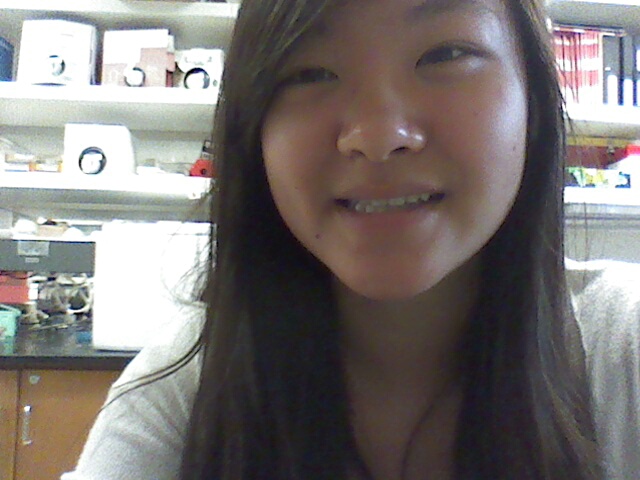 |
| Wing Lam (Natalie) Ho |
Name: Wing Lam (Natalie) Ho
PI: Dr. Geoffrey C Gurtner, Mentor: Zeshaan N Maan
School: Cupertino High School
SIMR Internship 2013, Stanford University
I have been looking forward to SIMR ever since the day I received the phone call regarding my acceptance. I had high expectations before the internship started, and after the first week, it has definitely exceeded my expectations.
On the first day, everyone I met–the students, TA’s, my mentor, and the SIMR staff–were all really nice and helpful, and the whole environment felt very welcoming. After being situated into the lab, I began picking up a lot of different lab techniques.
Although I have already done some things that we did in the lab at school through an AP Biology course I have taken, for example using pipets, gel electrophoresis, PCR, etc, working in a lab was much different. Everything had to be much more accurate and precise, unlike at school where it did not matter as much.
Another big difference when comparing research at a lab and completing labs in the classroom is that the data we are collecting in a lab is new, while in a classroom, the teacher already knows what is going on and everything is under control. A lab allows you to learn experimentally and you or your mentor might not know what is going on or the results may turn out completely unexpected, while in a classroom, the teacher guides you through what is happening and he or she already knows the results. Because the teacher already knows what is going to happen, an experiment completed in a classroom is usually done only once. However, in a lab, multiple trials are required because often times, results may not show up or it may contain errors.
A valuable lesson I learned in these eight weeks is that research requires a lot of patience. I had to do multiple trials of qPCR in order to get results to show up. In these weeks, I have also done a number different things, including Hematoxyline & Eosine staining, Immunohistochemistry, and much more. I also helped my mentor with cell passaging, culturing, and scratching.
These weeks were really fun, and I look forward to continuing research throughout the next few years if possible.
Wing Lam (Natalie) Ho
 The Stem Cellar