 |
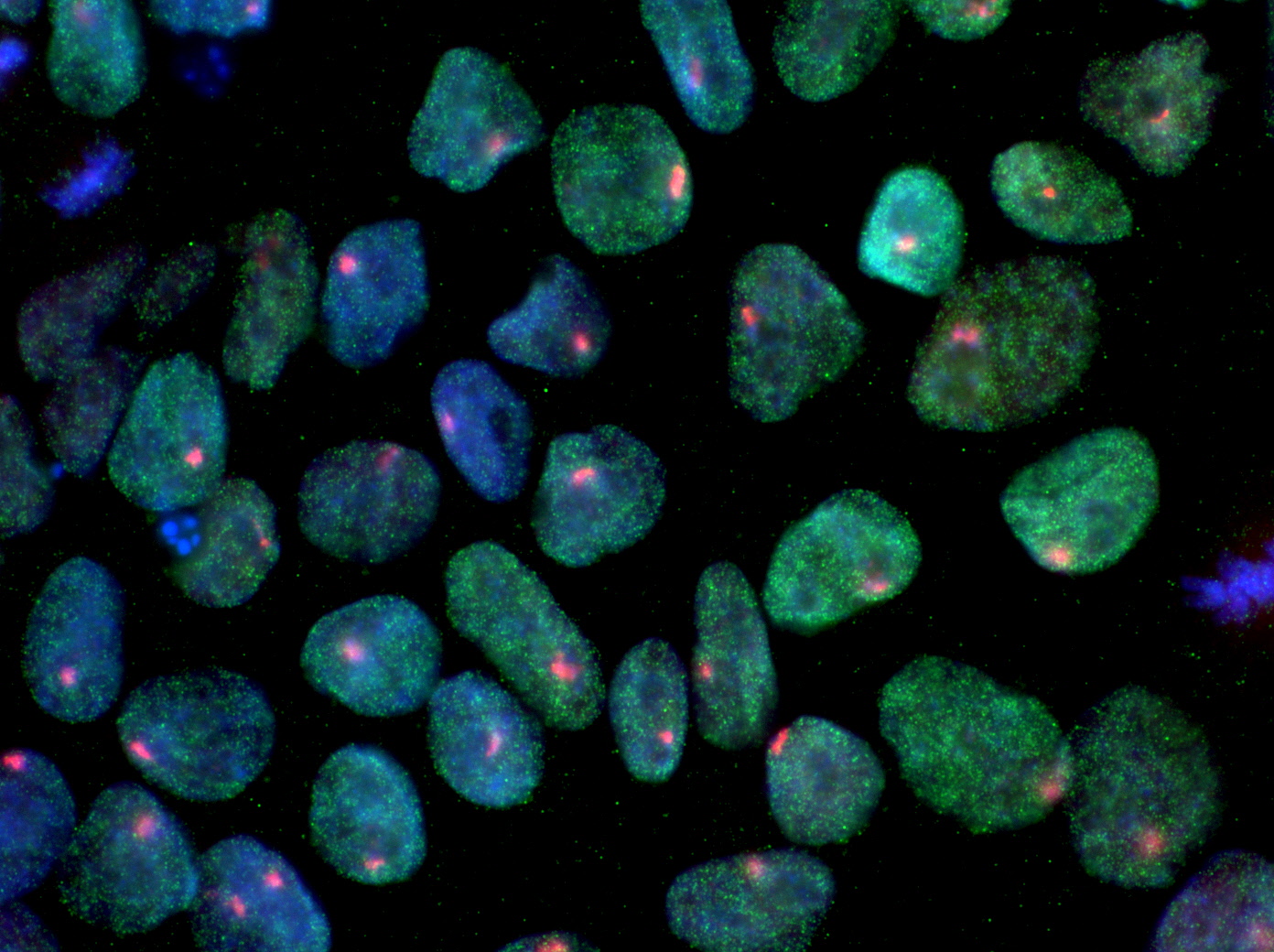
| Induced pluripotent stem (iPS) cells reprogrammed from human skin |
When I read about stem cells in the news it is often frustrating to see all stem cells lumped together as if they are the same. It gives the impression that what one stem cell can do, all can do. In fact, different types of stem cells have unique properties that make them especially suited to treating or understanding particular diseases.
Some, like embryonic stem cells, can make all the different tissues in the body. Others, like the stem cells of the blood, brain, skin and other organs, can only make a subset of cells. For example, blood-forming stem cells can become any type of cell in the blood, but they can’t make neurons or skin. Each of the different types of stem cell has potential to treat diseases, which is why CIRM funds them all.
About.com has posted a summary of the different types of stem cells that’s well worth a read. They conclude with this excellent explanation for why we need to pursue research with all types of stem cells:
Although there’s been a lot of discussion about developing therapies with stem cells over the last several years, the science is still really just in its infancy. It is only in the last 10-20 years that we have had the genomic research tools to really start uncovering the mechanisms behind the process of differentiation. While it is clear this technology will have a major impact on health care in the years to come, at this point, there is no way to predict which lines of research will lead to the most promising treatments. Right now, it is important to push for more progress on all fronts.
CIRM has some addition background information about the different kinds of stem cells and information on why we fund all types of stem cells. We also have charts showing the distribution of funding to different stem cell types.
A.A.
 The Stem Cellar